

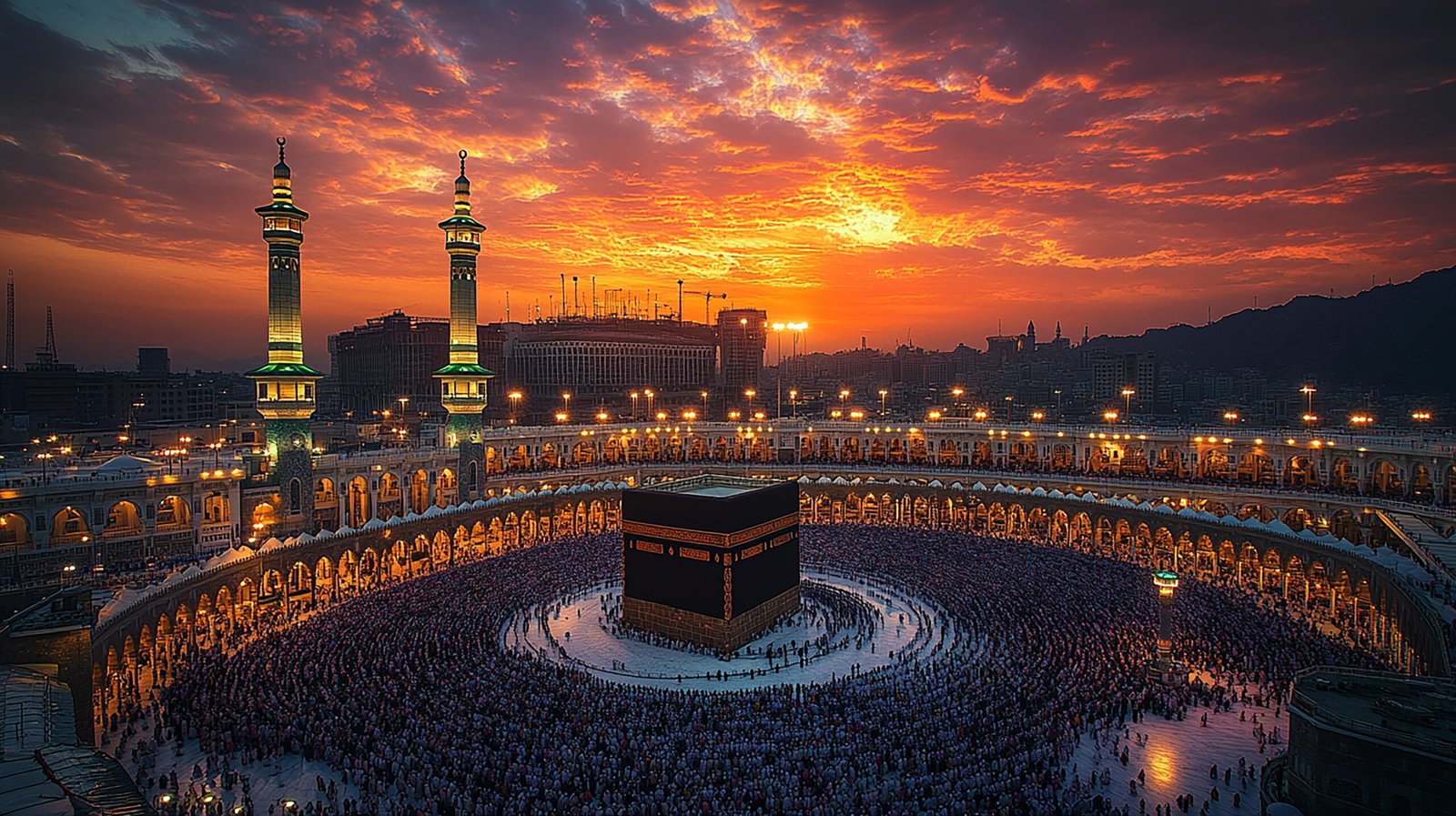
Understanding Hajj Packages: What They Include
Choosing the right Hajj package in Pakistan can be a daunting task, especially with the various options available. Generally, Hajj packages can be categorized into three main types: economy, standard, and luxury. Each package type varies in terms of accommodation, transportation, meals, and services offered, catering to the diverse needs of pilgrims.
Economy Hajj packages typically include basic accommodation in shared rooms, making them the most affordable choice for many. These packages often cover the essentials such as round-trip airfare, transportation from the hotel to the Holy sites, and basic meals. However, comfort and amenities may be limited compared to higher-tier options.
Standard Hajj packages provide a moderate level of comfort, featuring more convenient accommodation, usually in three or four-star hotels located closer to the Haram. They often include additional services like guided tours, which are essential for first-time pilgrims to facilitate their journey. Additionally, meals may be upgraded to include more variety and quality, ensuring a fulfilling experience.
For those seeking maximum comfort, VIP Hajj packages are the ideal choice. These packages offer luxurious stay in five-star hotels with unparalleled services. Pilgrims benefit from private transport, gourmet meals, and personalized guidance throughout the journey. While more costly, VIP Hajj packages aim to provide a seamless experience that enhances the spiritual fulfillment of the pilgrimage.
It is crucial to read the fine print of any chosen package to uncover any hidden costs which might not be immediately clear. Items such as taxes, additional charges for meals, or exclusive services can significantly impact the overall cost of the package. Therefore, careful examination and understanding of what is included in each Hajj package in Pakistan will help in making an informed decision.
Visa Services: Ensuring a Smooth Process
Obtaining a proper visa for Hajj is one of the most critical steps in ensuring a successful pilgrimage. Travelers looking for a Hajj package in Pakistan should prioritize the visa application process, as it directly impacts their ability to perform the rituals in Mecca and Medina. The Saudi government mandates specific requirements for Hajj visas, necessitating that applicants compile the correct documentation before embarking on this spiritual journey.
First, it is essential to gather all necessary documents. A valid passport, with at least six months of validity remaining, is fundamental, while additional documents may include recent passport-sized photographs, vaccination certificates, and proof of accommodation arranged through a registered travel agency. Some travel agencies offer comprehensive VIP Hajj packages that include visa processing support, which can significantly reduce the complexity of navigating the application process.
To ensure timely visa processing, applicants should submit their documents well in advance. Delays often occur due to incomplete or incorrect paperwork, so individuals must double-check the requirements and seek help if needed. Engaging a reputable travel agency specializing in Hajj packages can provide guidance and minimize the chances of errors. These agencies are experienced with the procedures and can assist in gathering materials and submitting the application promptly.
Moreover, it is advisable to avoid common mistakes that may lead to visa denials. These include failing to meet the specified medical requirements or not providing adequate proof of travel arrangements. Additionally, applicants should ensure their visas maintain validity throughout their stay in Saudi Arabia. An expired or invalid visa could disrupt a meaningful pilgrimage. In conclusion, to have a spiritual experience without complications, focusing on the visa services is paramount when selecting a Hajj package in Pakistan.
Choosing the Right Accommodation: Hotels and Locations
Selecting appropriate accommodation is a crucial step in planning a successful Hajj pilgrimage. With numerous options for hajj packages in Pakistan, it is essential to consider several factors that can significantly enhance your spiritual experience. The first priority should often be the proximity of hotels to the holy sites in Mecca and Medina. Opting for accommodations within walking distance to the Masjid al-Haram and Al-Masjid an-Nabawi will not only save time but also allow for more flexibility in daily rituals.
When searching for ideal hotels, one should examine various hotel amenities that cater to pilgrims. Offering services such as complimentary breakfast, transport facilities, and prayer areas can greatly contribute to the overall convenience and comfort. In addition, reliable customer reviews serve as valuable resources to gauge the quality of accommodation; platforms such as TripAdvisor or Google Reviews can provide insights into other travelers’ experiences.
Comparing different hotel options is necessary to ensure you find the best fit for your needs. It’s advisable to create a list of potential hotels and compare them based on their location, amenities, and guest feedback. Additionally, for those considering VIP Hajj packages, hotels with exclusive services could enhance the overall experience.
Booking early is another essential consideration when planning your accommodation. Many reputable hotels offer competitive rates for early reservations, particularly during peak travel season for Hajj. Furthermore, evaluating meal arrangements is equally significant; some packages may include meals, which can simplify planning during your stay.
Popular hotel choices in Mecca often include the Hilton Suites and the Makkah Clock Royal Tower, while Medina accommodations might feature the Dar Al Taqwa Hotel. Ultimately, the right hotel selection is an integral part of ensuring a smooth and enriching Hajj pilgrimage.
Budgeting for Your Hajj: Pricing Plans and Support Services
Embarking on the Hajj pilgrimage is a significant spiritual journey for Muslims worldwide, and budgeting for it is a vital step to ensure a smooth experience. The cost of Hajj can vary widely, particularly when considering different hajj packages in Pakistan. Pricing plans typically encompass a range of options from basic to VIP Hajj packages, catering to various financial capabilities and personal preferences.
Travel agencies often provide detailed breakdowns of what each package includes, such as accommodation, meals, transportation, and guided tours. A standard package might cover essential services, while VIP Hajj packages usually offer premium accommodations, exclusive transportation, and enhanced personal services. It is crucial to thoroughly analyze these offerings and compare them against the total cost to determine the best value for money.
When budgeting for Hajj, pilgrims should also account for additional expenses that may arise beyond the basic package price. These can include personal expenses for meals outside of those provided, souvenirs, and any special events or excursions that may be desired during the stay. Furthermore, understanding local customs and costs can aid in better preparation.
Another essential component of planning is considering the support services that come with Hajj packages. Having access to local guides can significantly enhance the pilgrimage experience, as they provide valuable insights and assistance throughout the journey. Furthermore, travel support services such as emergency assistance can provide peace of mind, ensuring that help is available should any unforeseen situation arise.
In conclusion, effectively budgeting for your Hajj journey involves a careful examination of the various hajj packages in Pakistan, understanding the scope of services provided, and being prepared for additional costs. Investing time in this planning phase will ultimately lead to a more fulfilling and worry-free Hajj pilgrimage.
Latest Post
March 31, 2026


February 18, 2026