

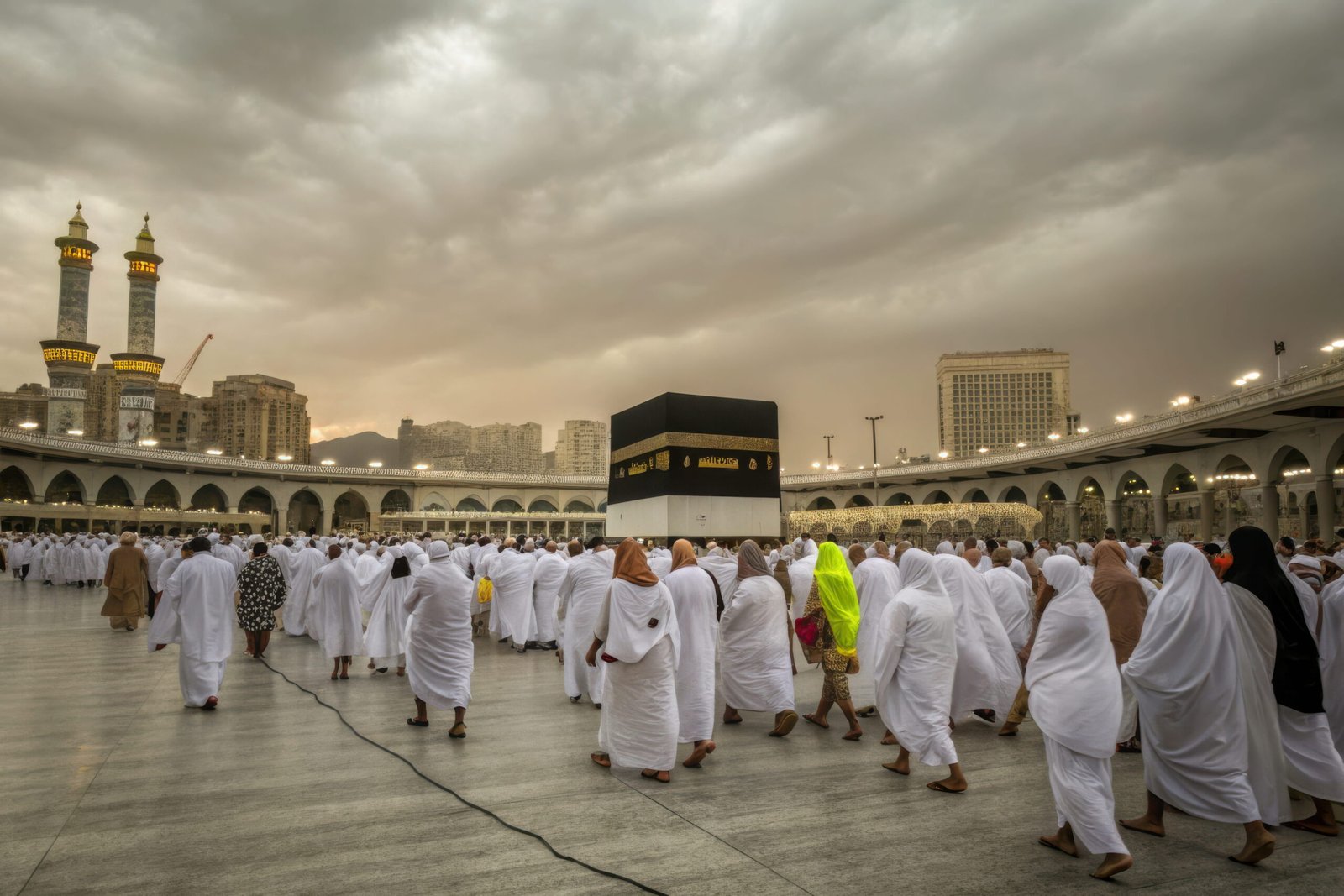
The Importance of Spiritual Preparation for Hajj
Spiritual preparation is an essential aspect of the Hajj pilgrimage, offering pilgrims an opportunity to connect deeply with their faith before embarking on this sacred journey. The process of preparing spiritually for Hajj begins with understanding its significance in Islam. Hajj is not merely a physical journey; it is a profound spiritual endeavor that requires commitment and devotion. Each ritual of Hajj carries deep spiritual meanings that believers must contemplate.
Before the journey, pilgrims should engage in prayer and reflection to cultivate a focused mindset. Setting intentions for the pilgrimage can help clarify the purpose of undertaking such a significant commitment. This is particularly relevant for those considering various options such as e Hajj services, which can facilitate the logistics of the journey while allowing for increased focus on spiritual preparation. By making the logistical aspects easier, pilgrims can devote more time to prayer and contemplation.
Moreover, embracing the act of fasting on the Day of Arafah is an important aspect of spiritual preparation. This day is considered one of the holiest in the Islamic calendar, and fasting is believed to bring immense spiritual rewards. By incorporating this fasting day into their preparation routine, pilgrims can enhance their spiritual focus and alignment with the goals of Hajj.
In addition to prayer and fasting, it is vital to educate oneself about the rituals and experiences of Hajj. Understanding the meaning behind each rite can significantly enhance one’s experience and connection with the journey. Whether through reading literature or attending informational sessions, gaining insights into the pilgrimage’s importance will aid in achieving a deeper spiritual connection. Ultimately, proper spiritual preparation can greatly enrich one’s Hajj experience, making it not only an obligation but also a transformative journey of faith.
Organized Travel Packages: Making Hajj Accessible
Embarking on the pilgrimage of Hajj is a significant spiritual journey that many Muslims aspire to undertake at least once in their lifetime. However, the logistics involved in planning such a trip can often seem overwhelming. This is where organized travel packages come into play, offering a streamlined approach to this sacred process. These specialized packages serve to simplify various aspects of the trip, enabling pilgrims to focus on their spiritual commitment rather than being preoccupied by travel arrangements.
One of the foremost advantages of opting for organized Hajj packages is the convenience they afford. They typically cover essential logistics, including flights, accommodations, and transportation within Saudi Arabia. Additionally, they often incorporate meal planning, which is particularly beneficial given the large number of participants who will be in the region. This level of organization can be invaluable in minimizing stress, allowing pilgrims to fully engage in their spiritual practices and rituals.
Moreover, reputable travel agencies specializing in Hajj services often provide a sense of security and support. These experts are fully acquainted with the local customs and regulations, ensuring that each pilgrim’s experience is as smooth as possible. The presence of guides can offer crucial assistance in navigating the pilgrimage rituals, such as standing at Arafah or performing Tawaf, thereby enhancing the overall pilgrimage experience. When choosing a package, it is important to consider factors such as customer reviews, the inclusivity of services, and the availability of a VIP Hajj package if preferred.
By utilizing organized travel packages, pilgrims can transform potentially overwhelming logistical challenges into a more manageable and enriching experience. It allows them to partake in this significant religious duty without the distraction of planning, which can often detract from the journey’s profound spiritual essence.
Navigating Documentation and Visa Processing
Embarking on a journey for Hajj requires meticulous planning, particularly concerning documentation and visa processing. To simplify this essential aspect of your pilgrimage, it is important to be well-informed about the requirements and procedures involved. The first step is securing a Hajj visa, which is mandatory for all pilgrims. This visa is granted solely for the purpose of performing the Hajj and is not applicable for other types of travel.
When applying for a Hajj visa, prospective pilgrims must gather specific documents. These typically include a valid passport, passport-sized photographs, proof of vaccination against certain diseases, and a completed Hajj application form. Furthermore, participants must provide evidence of an organized travel package. Many choose to opt for e Hajj services or a VIP Hajj package, which often simplifies the documentation needed, as these packages generally incorporate visa processing as part of their services.
It is advisable to begin the application process well in advance, ideally several weeks before the designated travel date. Depending on your home country, processing times may vary, so checking with local authorities or travel agencies can provide clarity on timelines. Additionally, ensuring that all documentation is accurate and complete will help avoid delays. Common pitfalls include missing signatures, failing to provide necessary health certificates, and not adhering to specific photo requirements.
In conclusion, navigating the documentation and visa requirements for Hajj can initially seem overwhelming. However, with careful preparation, understanding the necessary steps, and potentially utilizing e Hajj services or comprehensive travel packages, pilgrims can streamline the process. This foresight will not only enhance the ease of obtaining a visa but will also contribute to a smoother overall pilgrimage experience.
Step-by-Step Guidance on Hajj Rituals and Comfortable Accommodation
The Hajj pilgrimage is one of the five pillars of Islam, and it involves multiple rituals that hold profound spiritual significance. The journey begins in the city of Makkah, and each act performed during Hajj is a reflection of submission to Allah. The first step is entering a state of Ihram, which requires pilgrims to don specific garments symbolizing purity and unity. Pilgrims then commence their journey towards the Kaaba, performing the Tawaf, which involves circumambulating the Kaaba seven times in a counterclockwise direction.
Following the Tawaf, pilgrims move to the area of Sa’i, where they walk seven times between the hills of Safa and Marwah. This act commemorates Hagar’s search for water for her son, Isma’il. After the Sa’i, pilgrims participate in the Day of Arafah, a pivotal moment when they spend the day in prayer and reflection. Observing a fasting day on the Day of Arafah is highly encouraged, as it is believed to expiate sins and enhance the spiritual experience.
Subsequently, attendees engage in the symbolic stoning of the devil at Mina and celebrate Eid al-Adha with the sacrifice of an animal, followed by the act of Tawaf al-Ifadah. Lastly, pilgrims return to Makkah for the final Tawaf, known as Tawaf al-Wada. Each of these rituals is imbued with deep meaning, bringing the participants closer to their faith.
To enhance the Hajj experience, it is crucial to select comfortable accommodation. Many choose VIP Hajj packages, which provide convenient access to religious sites and essential services. These packages often include well-located lodgings that ease travel during the pilgrimage. Additionally, e Hajj services can assist in ensuring pilgrims have everything they need, from lodging to transportation. Ultimately, focusing on both the spiritual and logistical aspects of Hajj can lead to a more fulfilling and memorable journey.
Latest Post
March 31, 2026


February 18, 2026